
Does Stretching Prevent Injury? What the Evidence Suggests
Does stretching prevent sports injuries? An honest summary of the evidence on stretching, warm-ups and injury risk, and what actually helps protect you.
By Ayoub Farid · · 2 min read
"Stretch so you don't get hurt" is one of the most repeated pieces of fitness advice. The reality is more nuanced. Here's what the research generally suggests, without the hype.
The short version
- Static stretching alone, right before exercise, has not consistently been shown to reduce overall injury rates.
- A proper warm-up (light cardio plus dynamic movements and sport-specific drills) appears more useful for reducing injury risk in many sports.
- Regular flexibility training may help with certain muscle strains in sports with high-speed stretching demands (like sprinting or kicking), though evidence varies.
- Strength training has some of the strongest evidence for reducing sports injuries.
Why stretching isn't a magic shield
Injuries come from many factors: training load (doing too much too soon), fatigue, technique, previous injuries, sleep and strength. Flexibility is only one piece. Someone very flexible but weak can still get hurt.
Where flexibility does matter
- Sports that need extreme range: dance, gymnastics, martial arts, hurdling, goalkeeping.
- Activities where limited range forces bad positions: for example, stiff ankles making squats awkward. See ankle mobility exercises.
- Everyday life with age: keeping enough range to move comfortably. See stretching for seniors.
What actually helps reduce injury risk
- Warm up properly. 5–10 minutes. See dynamic warm-up routine.
- Increase training load gradually. Big jumps in mileage or weight are a common cause of problems.
- Strength train, including eccentric work for hamstrings and calves.
- Sleep and recover.
- Keep enough range of motion for your activities with regular stretching.
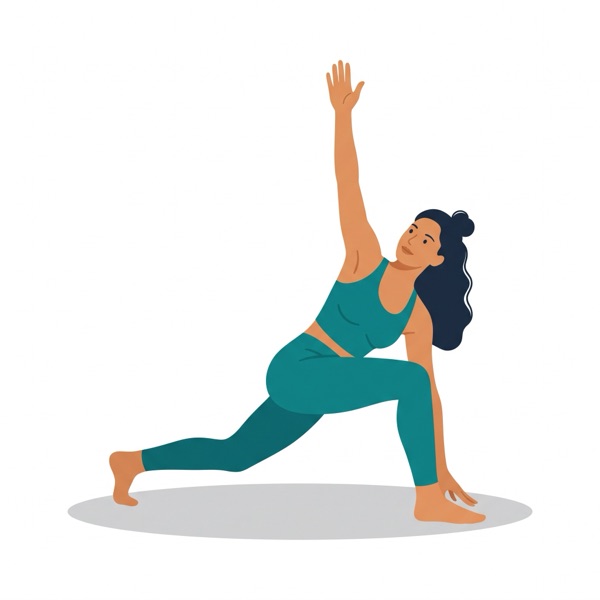
So should you still stretch?
Yes, for the benefits that are well supported: flexibility, less stiffness, easier movement and relaxation. See benefits of stretching. Just don't rely on it as your only injury prevention.
A sensible approach
| When | What |
|---|---|
| Before training | Dynamic warm-up |
| After training | Short static stretch |
| Most days | 5 minutes of flexibility work |
| 2–3× per week | Strength training |
Do it with Suppl
Suppl gives you the stretching side: dynamic moves for warm-ups and 2–5 minute static routines for after training and daily flexibility. Pair it with a strength program for well-rounded fitness. See stretching before or after a workout.
Frequently asked questions
Does stretching before running prevent injury?
A dynamic warm-up is more useful than static stretching before running. See stretches before running.
Can stretching cause injury?
Forceful or bouncing stretches into pain can. Gentle stretching is low risk.
Is flexibility important for athletes?
Yes, in sports that need range. Strength and load management matter too.
Should I stretch after an injury?
Follow your clinician's rehab plan.